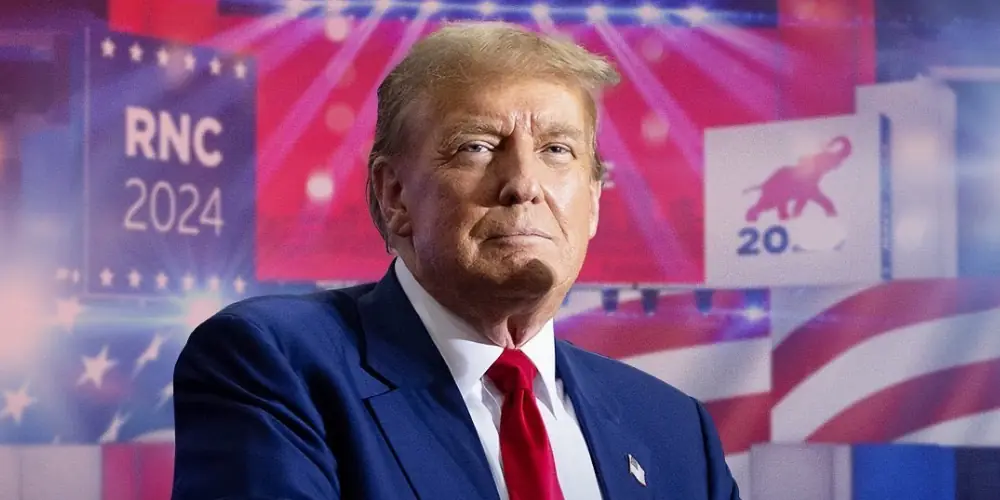
The United States witnessed a significant political shift as Donald Trump took the presidential oath once again. His return to the Oval Office marks only the second time in history that a president has served nonconsecutive terms.
While his policies on trade, taxation, and national debt have been widely discussed, another critical area expected to see major changes is artificial intelligence (AI).
AI’s Expanding Role in the Economy
Artificial intelligence continues to shape industries across the globe, with its economic potential projected to reach staggering heights. According to PwC, AI could contribute up to $15.7 trillion to the global economy by 2030, with $6.6 trillion attributed to productivity improvements and $9.1 trillion linked to consumption-driven growth.

With such potential, companies at the forefront of AI innovation, including major semiconductor and data processing firms, have seen their market values soar. Tech giants involved in AI research and development are closely monitoring how the new administration’s policies could influence the industry’s trajectory.
Policy Shifts Under the New Administration
One of the key policy changes anticipated is the revocation of the executive order issued by the previous administration. This order set guidelines for AI development, focusing on risk mitigation, bias prevention, and collaboration with international partners. The incoming administration has indicated plans to dismantle these guidelines, potentially altering the regulatory landscape.
Key Areas of Change:
1. Trade and National Security – The administration is expected to prioritize domestic innovation and national security over international collaboration.
2. Deregulation – A more relaxed regulatory approach could foster rapid AI advancements and increase competition among tech firms.
3. Federal Contracts – Companies specializing in AI-driven defense and data analysis are likely to see more government contracts aimed at bolstering national security.
Impact on Leading AI Companies
With Donald Trump’s administration likely to focus on deregulation and national security, AI firms catering to defense and intelligence sectors are positioned to benefit. Companies providing AI-driven data analytics tools, such as those used in mission planning and threat assessment, could secure lucrative federal contracts.
On the other hand, large technology corporations dominating the AI sector may face new challenges. The administration’s stance on competition and monopolistic practices could result in increased scrutiny and potential antitrust actions.
AI Export Restrictions to China
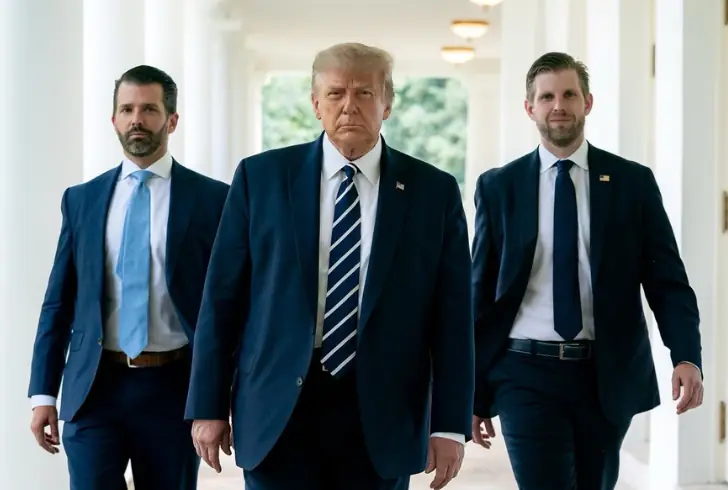
One area where continuity is expected is the restriction on AI exports to China. The previous administration placed significant curbs on the sale of high-performance AI chips to China, aiming to prevent adversarial nations from acquiring advanced technology for military or surveillance uses.
With the current administration’s “America-first” policies, these restrictions are likely to continue. Companies heavily dependent on the Chinese market may feel the impact, particularly those with substantial revenue from the region.
The Future of AI Innovation in the U.S.
With changes in AI policies on the horizon, innovation in the sector may take a new direction. Businesses that can adapt to regulatory shifts and leverage government support will have a competitive edge. The deregulation approach could encourage startups and established players alike to push the boundaries of AI development.
Donald Trump’s return to office is set to bring a series of changes that will reshape the AI landscape in America. With a focus on national security, deregulation, and domestic growth, the coming years could see significant advancements and challenges for AI-driven businesses. As policies evolve, stakeholders will need to stay informed and agile to navigate the shifting terrain.