

Tipping has long been a fundamental part of the American service industry, providing essential income for millions of workers. However, the idea of eliminating taxes on tips has sparked a heated debate among politicians, economists, and industry professionals.
While some argue that allowing workers to keep 100% of their tips would be a financial relief, others warn that such a policy could lead to unintended economic consequences.
The Proposal to Remove Taxes on Tips
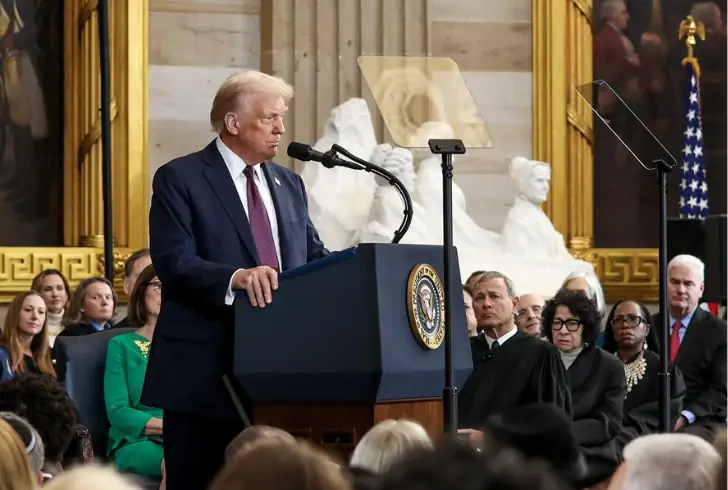
The discussion about tax-free tips gained momentum after former President Donald Trump promised to end taxes on tipped earnings. Speaking at a rally in Nevada, he stated that workers relying on tips—such as restaurant servers, bartenders, and hotel staff—should be able to take home their entire earnings without deductions.
Supporters of this proposal include industry trade organizations and labor unions, arguing that it would put more money in the pockets of hardworking individuals. According to a poll conducted in August, the idea has widespread public support across political lines, with around 73% of Republicans, 75% of Democrats, and 73% of independents in favor of the change.
Who Would Benefit From Tax-Free Tips?
While eliminating taxes on tips seems like a significant win for service workers, economists suggest the impact may not be as substantial as it appears. Data from Yale University’s Budget Lab shows that approximately 4 million Americans, or 2.5% of the workforce, rely on tips as a primary source of income. However, more than one-third of these workers already earn too little to pay federal income taxes, meaning they wouldn’t see any financial benefit.
For those who do qualify for the tax break, the estimated savings would vary:
1. The average benefit per family would be around $1,700 annually.
2. Workers in the lowest income bracket would save approximately $200 per year.
These figures suggest that while some workers would experience a financial boost, the overall impact might be minimal for many in the industry.
The Economic Concerns
One of the major concerns surrounding tax-free tips is the potential impact on the federal budget. Analysts estimate that removing taxes on tipped income could reduce government revenue by over $100 billion in the next decade. Since federal income taxes fund essential programs such as Social Security and Medicare, experts warn that this loss could contribute to an increasing budget deficit.
Additionally, some argue that the policy could create an uneven playing field for workers. If two employees—such as a waiter and a cook—earn similar salaries, yet only the waiter benefits from tax-free income, it raises questions about fairness.
Could This Policy Change Tipping Practices?
The shift toward tax-free tips might also lead to unintended consequences in how businesses structure wages. Some experts worry that employers may start relying even more on tipping rather than offering higher base wages. As a result, customers might see additional service charges or mandatory gratuities on their bills.

A report from the Pew Research Center found that nearly 75% of Americans already feel tipping expectations have expanded in recent years. If businesses increase their dependence on gratuities, tipping fatigue could worsen, leaving customers frustrated and workers facing unpredictable earnings.
Legislative Actions and Future Outlook
For the policy to take effect, Congress would need to pass new legislation. Lawmakers have already introduced bills, including the No Tax on Tips Act, which aims to exempt tipped earnings from federal income tax. Some supporters, like members of Nevada’s hospitality industry, view the bill as a step toward giving service workers a more sustainable income.
However, critics argue that a more effective approach would be addressing the federal minimum wage for tipped workers, which currently stands at $2.13 per hour. While eliminating taxes on tips might provide temporary relief, ensuring fair wages could offer a long-term solution to financial instability in the service industry.
The Ongoing Debate
While the idea of tax-free tips has gained traction, it remains a complex issue with both benefits and drawbacks. Advocates see it as a way to support service workers, while opponents warn of potential economic and policy challenges.
As discussions continue, lawmakers will need to weigh the financial implications against the goal of improving wages and working conditions for millions of tipped employees across the country.