
Fall In Shanghai Index
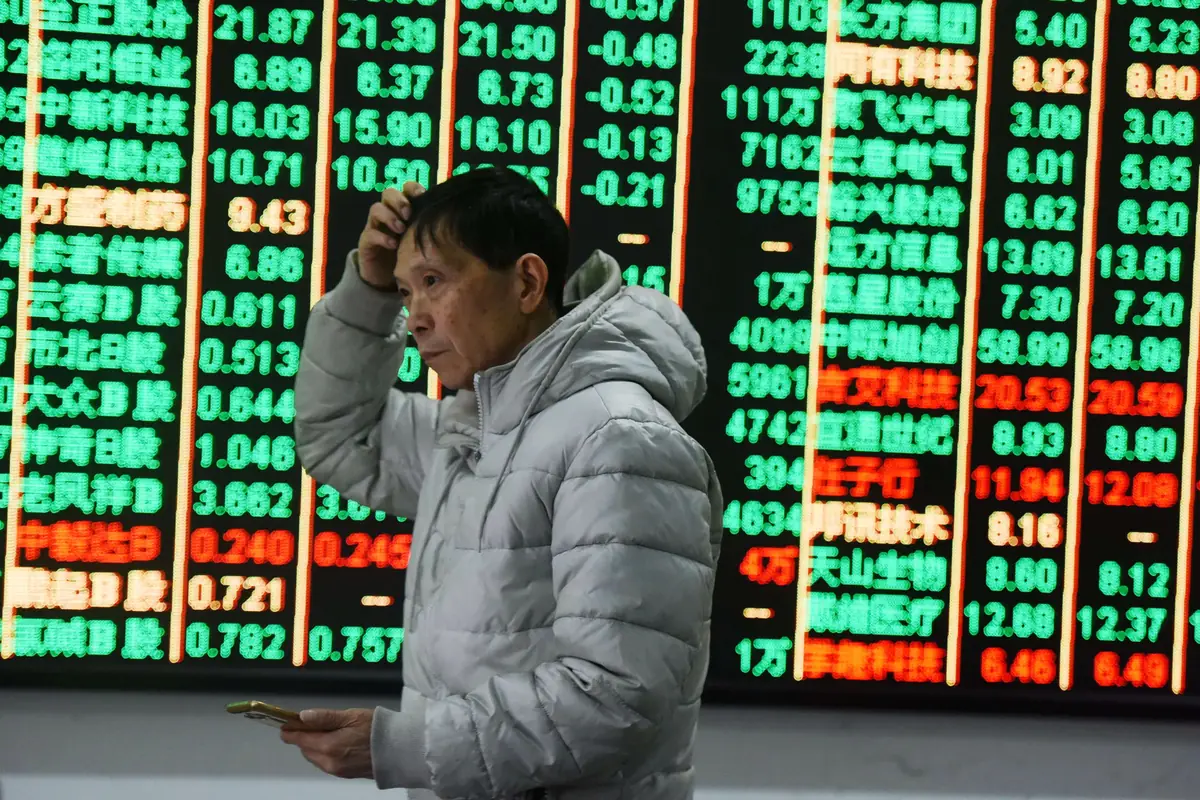
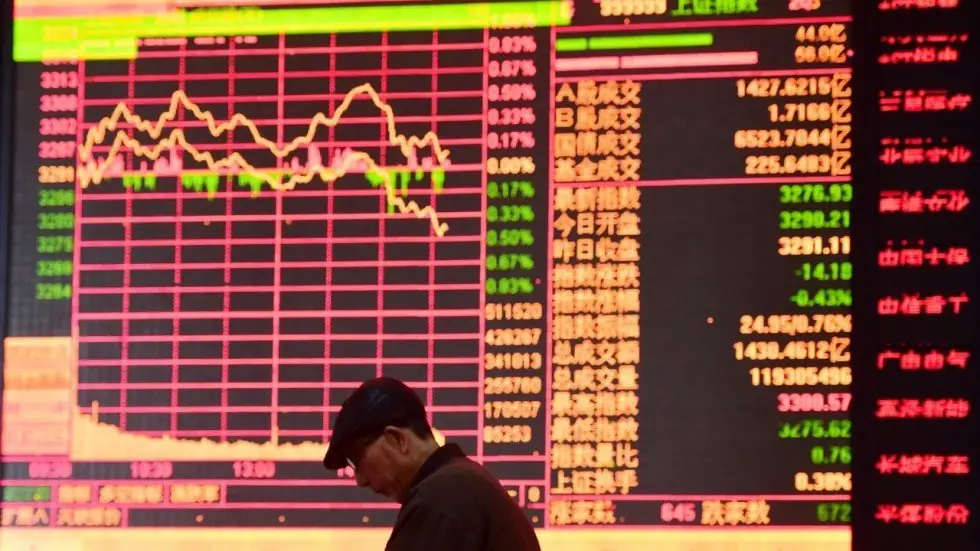
Media outlets reported that China’s Shanghai composite is currently going through its worst year since 2016 as it recently experienced a selling streak for the sixth consecutive week with a 13.9% fall below its benchmark. The fall reportedly brought it to the lowest it had been since 2016 as it stumbled into the bear market with the 20% fall from its previous high.
In the wake of the events, sources claimed that China is currently revising the terms of its monetary policy to provide momentum for the country’s economic growth. It was reported that the People’s Bank of China recently announced for the third time this year that it would reduce its reserve requirement ratio for banks in a bid to give businesses increased access to funding. The reduction would reportedly take effect on the 5th of July.
Reasons For Decline
The Chinese stocks have experienced more hits as the escalating trade tensions between the U.S. and China made more investors anxious about the effects which the tariff threats on would have on the value of products.
Analysts have linked the index’s rapid decline and the recent sell-offs to the increasing trade tensions between the U.S. and China as well as Beijing’s efforts targeted at deleveraging while still trying to maintain economic growth. Several analysts have posited that both factors are not in the best interest of the local stock market.
According to Victoria Mio, Chief investment officer for China at Robeco, the trade disputes between the U.S and China had gotten fiercer and had gone on for a more extended period than most people envisage. Mio added that the Chinese economy was getting weaker even beyond market expectations, and therefore urged China’s central bank to take steps to remedy the situation.
As noted by Sean Derby, the chief global equity strategist at Jefferies, no one could correctly identify how much of deleveraging would still occur. Derby added that the decline in the stock market stood as a historical indication that things were beginning to slow down in China, although international markets had not caught the wave. Different investors have opined that the decline could persist if Beijing refused to intervene with additional supportive measures.
Also, according to a research analyst with Rhodium Group’s China market research team, Lauren Gloudeman, the sell-offs were caused and are still being triggered by China’s regulatory tightening. Gloudeman added that the recently implemented policies and those in the process of being implemented placed a limit on the scale to which banks could keep items that were high risk off their balance sheets. This limit according to Gloudeman caused different domestic non-financial institutions popularly trust companies to opt out of their stock holdings.
Some analysts suggested that the recent slide of the yuan against the U.S. dollar also strongly affected the interest which overseas investors have in China’s market over the past few weeks Media outlets reported that the yuan had gone down with about 0.6% against the U.S. dollar since the year began.
Sources also indicated that the daily trading volume in both Shenzhen and Shanghai reduced to about 300 billion yuan ($46 billion) sometime in June, from the previous daily trading of 400 billion yuan recorded in May. Media outlets reported that the current volume was obviously a huge decline from the 1.3 trillion yuan daily trading volume recorded back in 2015 summer before the Chinese markets crashed.
Shangai Index & Other Indexes
Sources claimed that the companies dominating the Shanghai stock exchange include China’s largest state-owned businesses such as airlines, banks, and energy companies. It was reported that the Shanghai bourse’s biggest losers in 2018 are Maanshan Iron & Steel that fell with about 10.7% and the brokerage firm, Huatai Securities which went down with 16.1%.
Companies such as Alibaba and Tencent are, however, listed outside the index in other places such as Hong Kong and New York. The fall of about 14% has brought the Shanghai Composite on the list of the worst-performing large stock indexes globally. Other large stock indexes are reportedly not doing as bad as Shanghai Index in 2018.
For instance, the S&P 500 has reportedly gone slightly higher in 2018 while Stoxx Europe 6600 and MSCI All-Country Asia Pacific stocks have only gone down with about 3%.