

The corporate tax rate is a critical factor in the health of the American economy. It influences everything from job creation to consumer prices. A proposed increase in this rate would have far-reaching effects on both businesses and consumers. While proponents argue that raising the rate will generate more government revenue, the reality is that it will create significant challenges for everyday Americans.
Increased Consumer Prices
Raising the corporate tax rate will directly impact consumer prices. Businesses often pass those costs on to customers when they face higher taxes. This is particularly true for essential goods and services, where companies may have little choice but to raise prices to maintain profitability. The result will be a higher cost of living for many Americans, further exacerbating inflationary pressures that families are already grappling with.
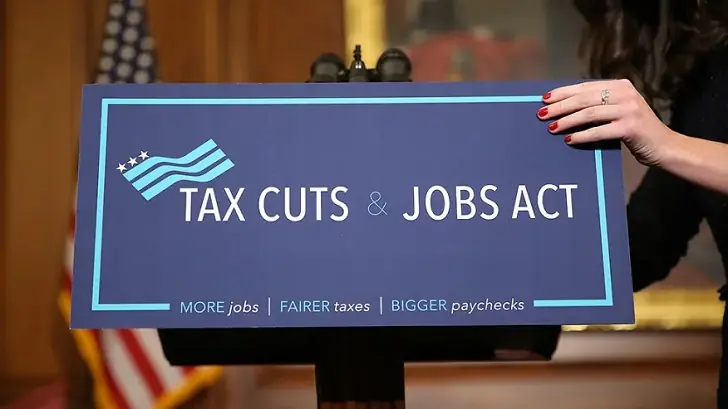
In 2017, the Tax Cuts and Jobs Act (TCJA) lowered the corporate tax rate from 35% to 21%. This reduction led to lower consumer prices and helped businesses invest more in their operations. Reversing this policy by increasing the tax rate would undo many of the benefits, leading to an economic environment where consumers bear the brunt of higher business costs.
Negative Impact on Job Creation
A higher corporate tax rate would also hinder job creation across industries. When businesses are forced to allocate more revenue toward taxes, they have fewer resources to hire new employees or increase wages for existing ones. The 2017 tax cuts, by contrast, spurred the creation of 263,000 manufacturing jobs in 2018 alone. Higher taxes would reverse this trend, slowing the pace of job creation and leaving more Americans unemployed or underemployed.
Small businesses operating on tighter margins will be hit especially hard by a tax increase. These companies often rely on tax savings to expand their operations and hire more staff. Without the financial flexibility a lower tax rate provides, they may have to downsize or reduce investments in innovation, further curbing growth and employment opportunities.
Global Competitiveness and Innovation
Raising the corporate tax rate would also reduce the competitiveness of American companies on the global stage. In an increasingly interconnected world, businesses need to be agile and efficient to compete with international counterparts. Higher taxes would place U.S. companies at a disadvantage, making it more expensive for them to operate compared to firms in countries with lower corporate tax rates.
The corporate tax rate affects not only the costs of doing business but also the ability to attract investment. A lower tax rate makes the U.S. more attractive to both domestic and foreign investors, encouraging innovation and technological advancement. By increasing the rate, the U.S. risks losing out on potential investments that could fuel growth in emerging industries such as renewable energy, artificial intelligence, and biotechnology.
Slower Economic Growth
Economic growth relies on a balance between taxation and business investment. Companies with lower tax burdens have more resources to invest in research, development, and infrastructure, all of which contribute to long-term growth. A higher corporate tax rate, however, would reduce the incentive for businesses to reinvest in their operations, leading to slower growth overall.
This slowdown in growth will not only affect businesses but will also trickle down to workers and consumers. A less vibrant economy means fewer job opportunities, slower wage growth, and higher prices for goods and services. American families will feel the impact most acutely as they struggle to make ends meet in an environment where wages fail to keep pace with rising costs.

The Myth of Increased Government Revenue
Proponents of a higher corporate tax rate often argue that it will increase government revenue, allowing for more public spending on essential services. However, this approach overlooks the negative effects of higher taxes on the overall economy. While the federal government may collect more in corporate taxes initially, the long-term economic slowdown that results from higher taxes will ultimately reduce the taxable income base.
In contrast, the 2017 TCJA demonstrated that lowering the corporate tax rate could increase economic activity, which in turn boosts government revenue through other channels, such as personal income taxes and sales taxes.