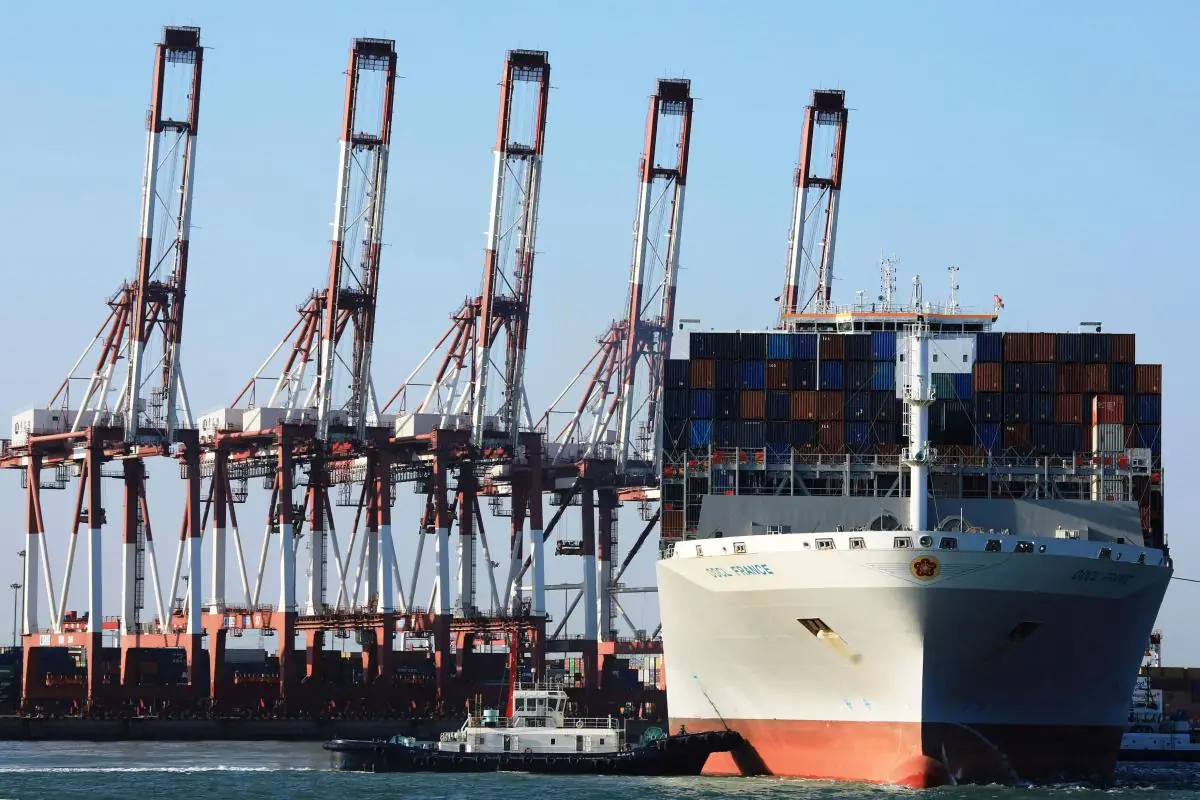
In the wake of the US-China trade war, the growth rate of China’s economy has slowed down considerably and is now growing at slowest rate since the economic crash of 2008-2009. Not only has the country’s stock market seen a big slump in recent months but the industrial output has also seen a big decline which places the Chinese leadership under even greater pressure to ensure that the trade wars between the two nations come to an end on amicable terms.
Astronomic Growth Year on Year
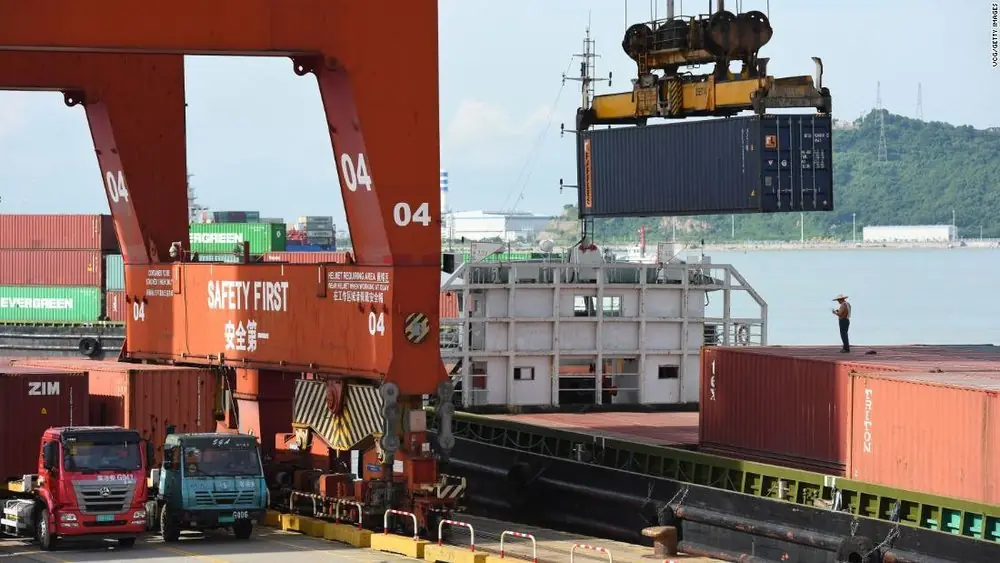
Since the economic crash of 2008, China has seen an impressive growth in its economy with the country’s GDP growing at 8.2 percent every year. This, compared with the growth rate of the United States at 1.4 percent and Europe at 0.4 percent, puts into perspective the sheer magnitude of economic growth China has seen in this decade.
This growth in part not only reflects China’s ability to bounce back from the financial crisis but the level of economic growth potential the country possessed. China was very quick to react to the economic situation of 2008, introducing revised economic policies which would reduce China’s dependence on foreign and imported products whilst promoting the consumption of locally manufactured products.
This, coupled with the decision to invest heavily in infrastructure ensured that the country remained on track for sustainable economic development despite the general economic climate globally.
US-China Trade Dispute to Blame?
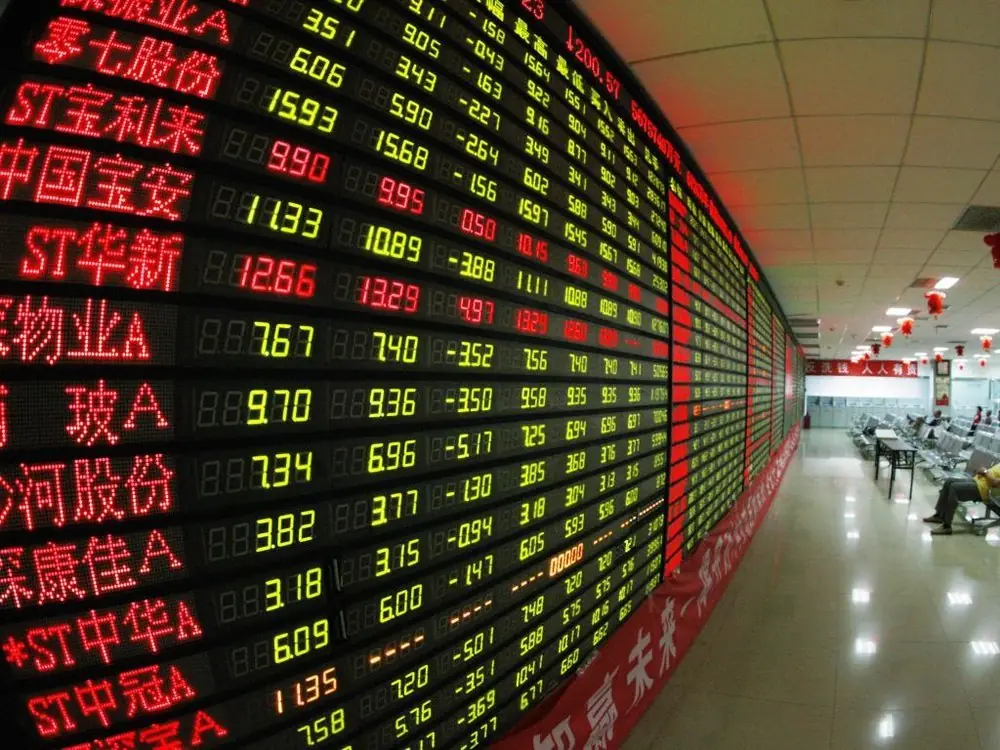
Even though many assume that the US-China trade wars are predominantly responsible for the slowing down of the Chinese economy, the reality is that China was already forecasted to see a decrease in GDP growth this year, long before the trade wars even began; it was forecasted last year after the country’s GDP growth had slowed down to 6.8 percent, that this year would see a further decline to 6.5 percent.
This, in part, is due to the Chinese leadership looking for ways to attain a slow and sustainable form of economic growth (in contrast to the colossal growth the country has seen in the past decade, which of course is unsustainable in the long term).
The leadership has taken numerous steps against the lending boom of the past decade when the banks were lending big money to anyone who was looking for a business loan to promote business activities and small companies which would help industrialize and mobilize the economy.
Even though economists expected the Chinese economy to take a hit in light of the country’s recent economic reforms in a bid for more sustainable and steady growth, the downturn faced by the country from July all the way to the end of October this year is perhaps more jarring than many had foreseen.
The output growth of manufacturing facilities and factories slowed down from 6.8 percent to 6 percent while the growth in retail sales and industry output was much weaker than originally expected, very close to the lowest in the country in the last 14 years.
Looking at the Bigger Picture
Many economists believe that it is perfectly natural for a country seeing extraordinary growth figures in the past few decades to start seeing the tapering off effect once the growth rate of the country starts to catch up to the global economy, which of course it cannot outgrow.
Experts believe that the slowing down of China’s economy is both natural and welcomed since it is very easy to achieve tremendous growth in the early phases of an endeavor which gets increasingly difficult as you reach the point of saturation and start seeing the manifestation of the law of diminishing returns.
Additionally, it is unwise to be increasingly preoccupied by the country’s GDP growth rate alone since in reality, that only tells half the story and you’re really missing the big picture; in 2010 for example the country saw a GDP growth of 10% which correlated to an influx of $606 billion into the country’s economy.
Fast forward a few years to 2017 where the GDP growth was only 6% but actually resulted in an influx of $1,202 billion, double the amount of 2010. Remember when we said that fixating on GDP growth alone only paints half the picture?