
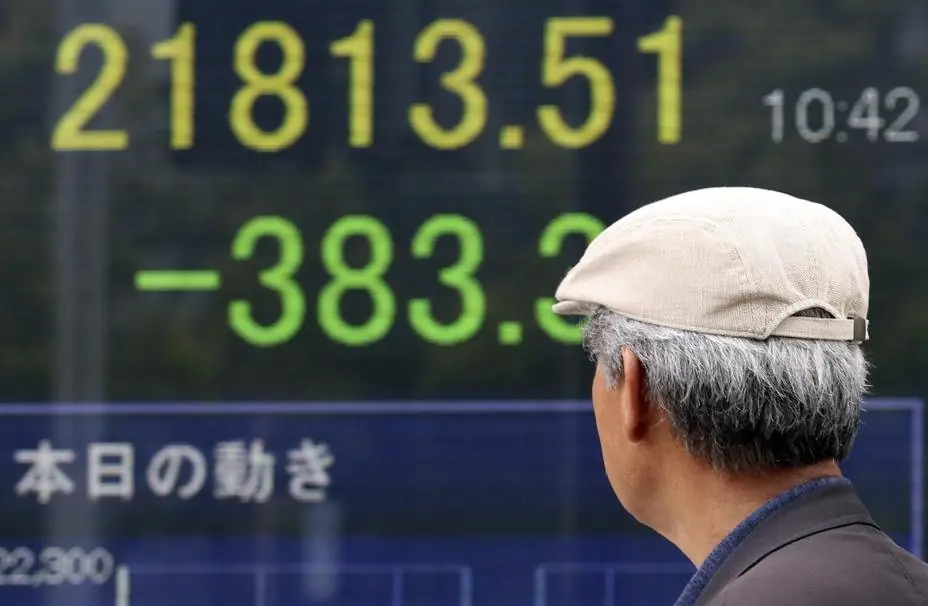
Asia Market Closes Lower
The release of the list highlighting $200 billion worth of Chinese goods on which the U.S. intends to impose tariffs, caused the Asian market to close sharply lower on Wednesday. In a statement from Robert Lighthizer, the U.S. Trade Representative, the Chinese goods on the list would be subjected to 10% trade tariffs.
Media outlets report indicate that the China markets got the worst hit following the release of the list as its Shanghai Composite fell with 1.78% and closed at 2,777.20. Prior to this, reports showed that the index closed higher for the third week in a roll on Tuesday, after a period when different factors made it fall with about 20% from a recent high that sent it into the bear market. Shenzhen composite, on the other hand, fell with 1.96% at the close of trading hours and the Chinext index, similar to the Nasdaq, tumbled 2.04%. CSI 300 index also plunged 1.74%.
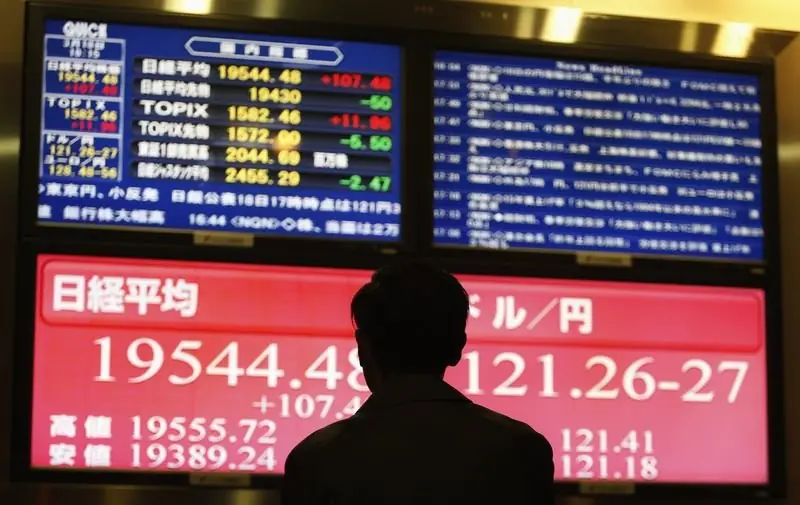
For the Japan stock market, Nikkei 225 plummeted by 1.19percent and closed at 21,932.21. It also recorded a glaring drop in its trade-sensitive stocks, including automakers. For instance, Honda Motor fell by 1.04% while Nissan dropped with 2.06%. Other sectors also traded lower and recorded losses mid-day. For Hong Kong, Hang Seng Index dropped 1.76% as at 3.21 pm. JK/SIN and subsequently moderated after it earlier fell with over 2%. More losses were recorded in the materials sector and the other sectors of the Index also traded lower during the same period.
Other Major Markets Affected
The list also had an effect on other indexes as several major indexes tumbled. Sources also reported that the Kospi went down by 0.59% and South Korean exporters experienced a drastic fall in the presence of wide declines. Hyundai motor fell by 1.62% and the tech giant, Samsung Electronics fell by 0.65%. In Australia, the S&P/ASX fell by 0.68%. Reports showed that the materials, utilities and energy sectors recorded the most substantial declines. In the MSCI’s index, shares outside of Japan fell with 1.08% in Asia morning trade in the existence of the sharp sentimental turn on Wednesday.
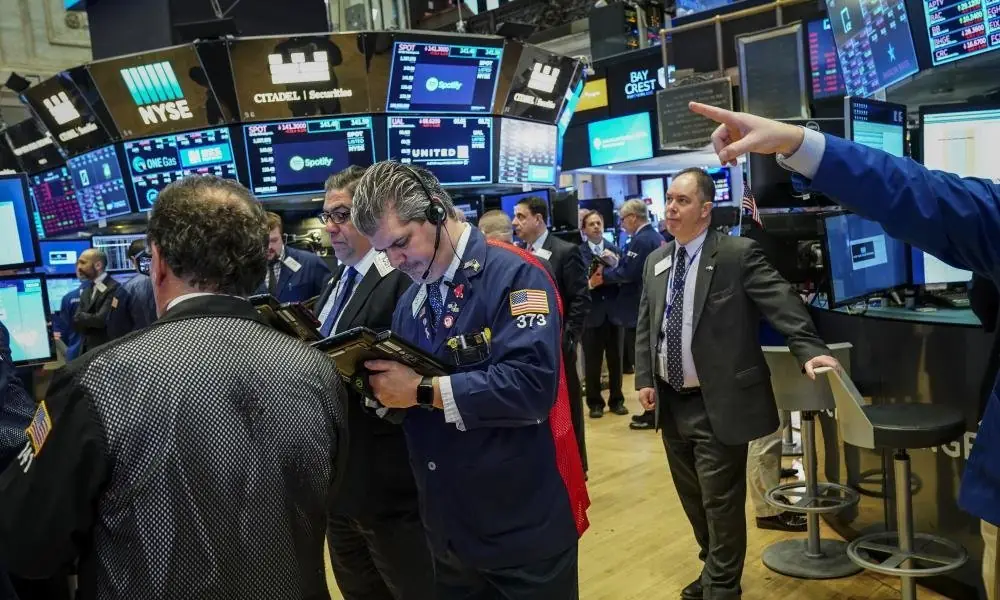
The U.S. stock index futures were also reportedly affected by the turn of events. The Dow Jones Industrial Average futures implied open was almost at 150 points lower as at 12:13 a.m. ET. The S&P 500 and the Nasdaq also recorded lower implied openings. The report for Tuesday showed that the Dow increased with 0.58% or 143.07 points and it closed at 24,919.6 which made it the index’s fourth gains in a row. The S&P 500 rose by 0.35% to 2,793.84, while the Nasdaq composite rose higher by 0.04% and closed at 7,759.20. Sources claimed that the current issue came at a time when there was a rolling around of corporate earnings in Wall Street. Analysts reportedly stated that they were, in fact, expecting the second quarter gains for S&P 500 to have edged higher with about 20%.
Effects of Trade Tariffs
Addressing a media outlet, Erik Norland, a senior economist at CME Group stated that the problem at the moment was primarily that no one knew what could happen next. Norland added that whatever would happen could affect business investment, employment creation and all these would adversely affect the confidence of the sectors just like had been done to the financial market.
The turn of events on the stocks market came shortly after the U.S. tariffs on $34 billion worth of Chinese goods went into effect on Friday. China retaliated against this move and this caused Trump to announce that more Chinese goods worth $500 billion were at the risks of being subjected to more tariffs.
According to Manishi Raychaudhuri, an Asia Pacific equity strategist at BNP Paribas, risks had increased because the risks had converged. According to him, the slowdown in China, the increasing trade disputes and the constant hike of US rates had caused strategists to become less constructive and positive than they initially were.
Analysts have projected that the economic growth in both China and the US would be adversely affected if Trump goes ahead to impose tariffs on $200billion worth of Chinese goods in addition to the reciprocal tariffs already in place. Specifically, Louis Kuijs, the head of Asia Economics at Oxford Economics, projects that about 0.25percentage points would be shed off the growth rate of China in 2019 although he added that the US would experience a slightly lower hit.