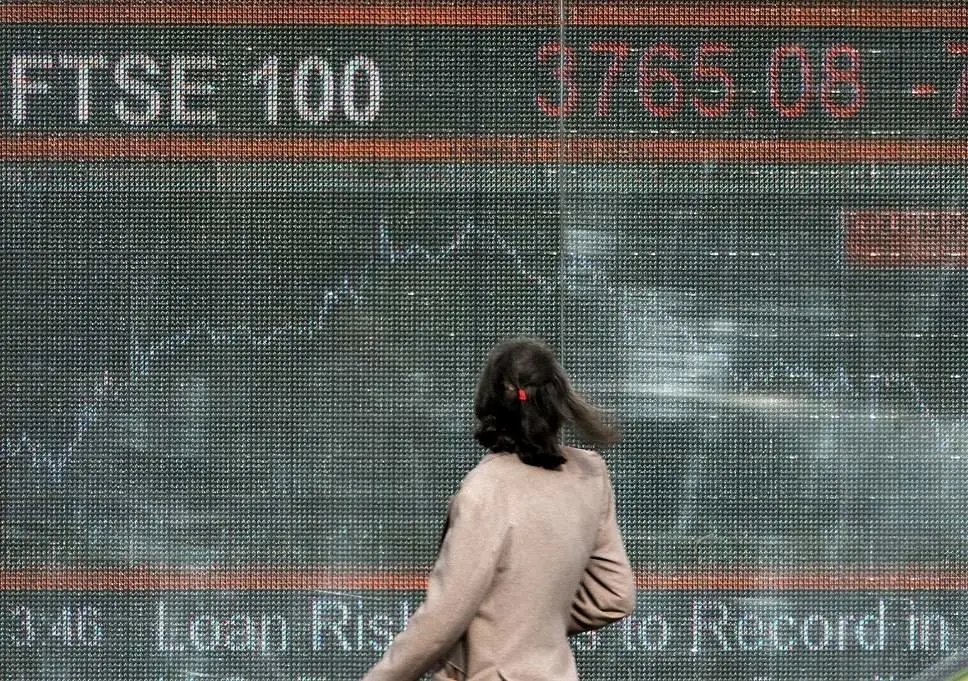
The banking system has learned some hard lessons from the 2008 financial crisis which shook the global economy to its core. It has been 10 years since Lehman Brothers’ bankruptcy announcement triggered a systematic failure of the financial sector.
Since then, reforms have been made and laws have been put in place to bolster the fragile system. Banks are monitoring their balance sheets while regulators are carefully vetting the institutions to ensure that they can weather an economic downturn. But is that enough to prevent another financial meltdown? Apparently not.

A Never-Ending War
According to some of the most experienced regulators who steered the U.S. economy through the 2008 banking crisis, the next financial calamity could strike any moment. Former chairman of Federal Reserve, Timothy Geithner, says that keeping the economy from spiraling down into another crisis is ‘a forever war’.
Geithner, who served as the Treasury secretary during the Obama administration, made the comment in the Brookings Institution on Friday while speaking at a panel discussion about the 2008 financial crisis.
He said that there is a full range of possible causes that could set off the collapse of a system, and it’s almost impossible to anticipate each one of them. It is a good thing that regulators are watching for any potential sources of worry but people shouldn’t put too much faith in the watchdogs’ abilities to identify and fix every loophole in the system.
When Lehman Brothers investment bank declared bankruptcy 10 years ago, it sparked terror which rippled across the financial system, forcing the government to spend billions in bailing out institutions. The expensive rescue mission was funded from the taxpayer’s money, and in the end it were the civilians who bore the blunt of the crisis. Million lost their homes after defaulting on their mortgages and the unemployment level reached a record high at 10 per cent.
The Next Economic Downturn
It is very rare for a country to be struck twice by a financial crisis during a person’s lifetime, which is why most regulators are speculating that the next downturn could start from another part of the world, but could still have a spill-over affect on the U.S. economy. Former Treasury Secretary, Hank Paulson, says that it is difficult to predict when or where the next episode could start.
Nevertheless, there are certain solutions which are applicable to all economic calamities, including quick response by regulators, money injections and a government backstop. The only reason these episodes repeat themselves after a few decades is because the memory fades with time and bankers and regulators slowly return to habits that triggered the crisis in the first place.
Ben Bernanke, who served as chairman of the Fed during the 2008 meltdown, said that the regulators were very quick in responding to the crisis and, with aggressive reforms, they managed to keep the damage under control. But the Federal Reserve failed to convince the masses that their actions at the time were necessary to revive the economy.

Necessary tools
Since 2008, Congress passed the Dodd-Frank law which ushered a number of reforms in the financial system. However, it also limited the ability of the Federal Reserve, Federal Deposit Insurance Corp. and the Treasury to oversee the system and make necessary changes where needed.
Some of the regulatory moves include stopping the FDIC from giving emergency support during a crisis, liming the Fed’s lending power in case of an emergency, and stripping the Treasury of its power to back stop money market funds.
However, the Dodd-Frank law of 2010 did give regulators the tools to rescue a failing institution before it causes panic to ripple through the entire economy. But the effectiveness of these measures can only be tested when there’s a new downturn. However, Bernanke and Geithner argue that the law can only save one failing institution at a time, and would have been ineffective in preventing the collapse of the Lehman Brothers.
For now, both regulators say that it is absolutely crucial to keep the economy as strong as possible while addressing issues of wage inequality or stagnant growth, growing fiscal deficit and any other future threats that could weaken the economy.