
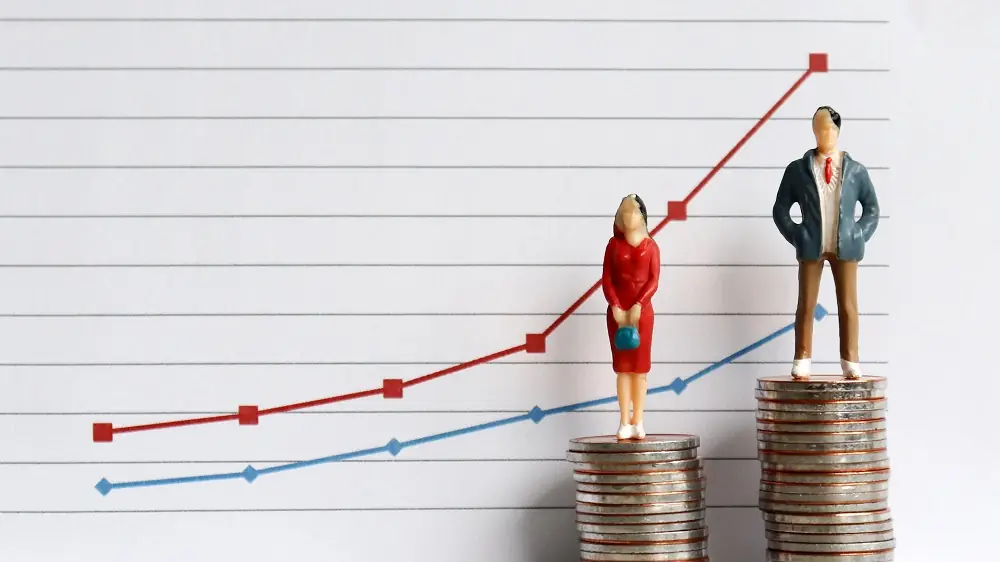
The gender pay gap has been debated and concerned for many years. It is often claimed that men earn more than women for performing the same work. However, the issue is more complex than a simple comparison of paychecks. This article will explore the factors contributing to the gender pay gap and examine the nuances of this ongoing issue.
Understanding the Gender Pay Gap
It is essential to define what is meant by the gender pay gap. The gender pay gap is the difference in average earnings between men and women across various industries and occupations. It is typically expressed as a percentage, with women’s earnings compared to men’s. The existence of a gender pay gap does not necessarily imply direct pay discrimination, but it highlights disparities that need to be addressed.
Exploring the Factors

Occupational Segregation
One significant factor contributing to the gender pay gap is occupational segregation. Women are often underrepresented in higher-paying industries and occupations, such as technology, engineering, and finance, while being overrepresented in lower-paying sectors, such as education and healthcare. Occupational segregation plays a role in the overall earnings disparity.
Work-Life Balance and Career Choices
Another important consideration is the impact of work-life balance and career choices. Women, especially those with caregiving responsibilities, may opt for flexible or part-time work arrangements, affecting their career progression and earning potential. Conversely, men may be more likely to prioritize full-time employment and career advancement, leading to higher earnings overall.
Education and Skills
Education and skill levels also contribute to the gender pay gap. While progress has been made in narrowing the educational attainment gap between men and women, certain fields and disciplines exhibit gender imbalances. STEM (Science, Technology, Engineering, and Mathematics) fields, for instance, often offer higher-paying opportunities, but women remain underrepresented in these areas.

Career Advancement and Negotiation
Differences in career advancement and negotiation also affect the pay gap. Men may be more assertive when negotiating higher salaries or seeking promotions, while women may be more hesitant or face biases that hinder their progression. These factors can contribute to men’s higher earnings and women’s slower career advancement.
Unconscious Bias and Discrimination
Despite progress, unconscious bias and discrimination persist in workplaces. Subtle biases can influence hiring decisions, promotions, and salary negotiations. Studies have shown that identical resumes with female names receive fewer callbacks or lower salary offers than their male counterparts. These biases and discrimination contribute to the gender pay gap.
Parental Leave and Childcare Policies
Parental leave and childcare policies can impact women’s earning potential. In many countries, women still shoulder most caregiving responsibilities, which can result in career interruptions or reduced working hours. Insufficient or inflexible parental leave policies and the high cost of quality childcare can further hinder women’s career progression and earnings.
Addressing the Gender Pay Gap
To bridge the gender pay gap, several strategies can be pursued:

Promoting Pay Transparency
Encouraging transparency in salary structures can help identify and rectify unjust wage disparities.
Eliminating Bias in Recruitment and Promotion
Implementing unbiased hiring and promotion practices, including blind resume screening and diverse selection committees, can help address discrimination.
Encouraging Work-Life Balance
Offering flexible work arrangements, affordable childcare, and improved parental leave policies can support women’s career progression while balancing caregiving responsibilities.
Empowering Negotiation Skills
Providing negotiation training and resources for all employees can empower women to advocate for fair compensation.
Promoting Education and Opportunities
Encouraging girls and young women to pursue careers in traditionally male-dominated fields can help reduce occupational segregation and increase their earning potential.
Fostering Equal Representation
Supporting initiatives that promote equal representation in leadership positions and on corporate boards can challenge systemic biases and ensure fair decision-making.