
Can you supercharge your retirement savings securely? Well, that’s a pretty interesting question. And perhaps the answer is yes.
With the dawn of traditional pensions, people have started relying on 401(k) as their central basis of income in retirement. However, a study shows that nearly 30% of employers don’t offer their employees retirement benefits in today’s time. Also, when it comes to saving for retirement, self-employed people have to be free-standing.
Read – Benefits & Options on How to Open a Retirement Account
So if you fall in any of these two groups, you could have a slightly tough time accumulating retirement savings compared to people with retirement plan benefits. But we assure you, you still have many options in hand. The thumb rule is that the sooner you start your savings, the better position you will be when your retirement comes.
Now, cutting through the fog, let’s hop on the various available alternatives.
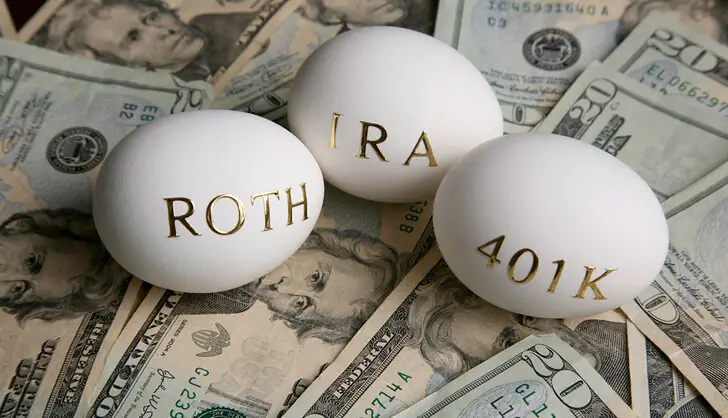
Traditional IRA (Individual Retirement Accounts)
With an IRA, you can channel your money into a tax-deferred account held at a bank and invest money in stocks, mutual funds, bonds, or exchange-traded funds. It’s important to note here that you can’t contribute more than you earn. For example, if in 2019 you earned $4000 by working part-time, your contribution limit is $4000. Nonetheless, scaling your contributions is a good option in the case that you can’t maximize them.

Roth IRA
If you wish to avoid paying taxes in retirement, Roth IRA is a good choice, especially for young workers who may benefit from many years of tax-free growth. The catch is that initially the contributions are after-tax, but once you reach the age of 59 years and have held the account for a minimum of 5 years, your withdrawal becomes tax-free.
Read – Three Secret Roth IRA Benefits You Can Use Before Retirement
Supercharged plans
If you want to put even more into your retirement, you have other options as well. If you’re self-employed, the best thing would be solo 401(k). And we say so because with a solo retirement account like 401(k), you can contribute both as an employee and a boss. Now, if you’re younger than 50, you can contribute as much as $57,000. And if you are above 50, you can add $6,500.
To sum it up
There’s no doubt about the fact that the pressure of retirement planning is falling on people themselves, especially the self-employed ones. But thankfully, there are several options available that can be used to securely plan for the future.
The above-listed options can drive you towards a better retirement plan. The sooner you start, the more advantageous it would be since you’d get better amounts thanks to the power of compounding. Also, if you’re approaching your retirement, you should be more conservative while investing as compared to the young investors who may take a risk with their investments.