
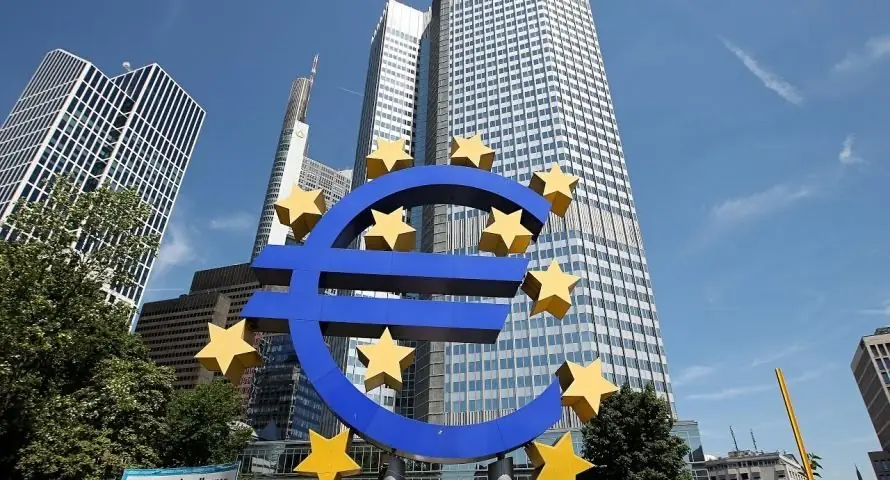
Quantitative Easing Programme
European Central Bank stated last week that it had already started taking steps to bring an end to its €2.4 trillion (£2.1 trillion) net bond purchasing by December 2018, depending on “incoming data.” ECB further stated that its first step would be a reduction in the monthly purchases of government and corporate bonds from the current €30bn to €15B in October and by December, it would have entirely stopped purchasing bonds.
Sources claim that the monthly purchase of bonds which began in 2015 was an asset purchase strategy deployed by the Central bank in a bid to assist in its increment of the single currency money supply and to maintain an inflation rate that ranked close to 2%. Reportedly, the programme had yielded an extra sum of €2.4 trillion to eurozone economies as at April, and the annual inflation in the eurozone was 1.9% in May.
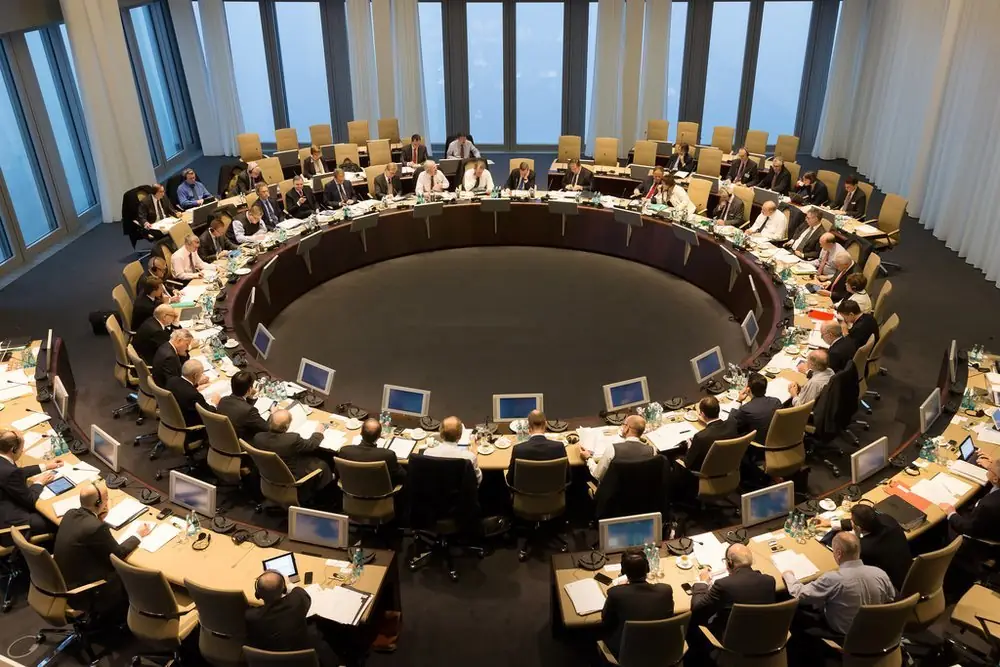
Reports indicated that the recent decision of the ECB stood as a representation of the bank’s opinion that the eurozone economies had successfully survived the period of recession and weakness and could now stand and thrive without the support furnished by monetary programmes.
Media outlets reported that the governing council of the European Central Bank decided to maintain the initial interest rate of 0.4% on deposits. The council further stated that it had expectations that the primary ECB interest rates would remain at their current levels throughout the summer next year and hopefully further than that period. The council expressed that this would ensure that the inflation evolution was in alignment with the present expectations of sustaining the ECB’s adjustment plans.
The ECB stated its intention to maintain its original policy to reinvest the principal sum gotten from maturing securities purchased beyond the end of the Quantitative Easing programme. Media outlets have also reported that the refinancing rate of the bank would remain at the current zero percent.
Inflation Trends
Sources claim that soon after the release of the Central Bank’s statement, euro dropped with 0.81% to about £0.88 ($1.1693). Further, it was reported that the returns on Italian 10-year bonds and other securities that recently exhibited volatility due to Rome’s political turmoil didn’t experience any value drop and maintained stability at 2.798%.
Reports also indicated that the inflation in the single currency was 1.9% in May which was an increase from the 1.2% in April and a leveling up with ECB’s less than 2% target rate. The reports, however, indicated that core inflation, with the exclusion of volatile food and energy, remained at 1.1%. The GDP growth reportedly dropped from 0.7% in the last quarter of 2017 to 0.4% in the first quarter of this year.
In recent forecasts, the ECB brought down its initial 2018 GDP projection from 2.4% to 2.1% and the Central Bank left the forecasts for the next two years at 1.7%. Sources claim that the ECB stated that the 2018 inflation rate is 1.7% and this stood as an increase from 1.4% as projected in March.
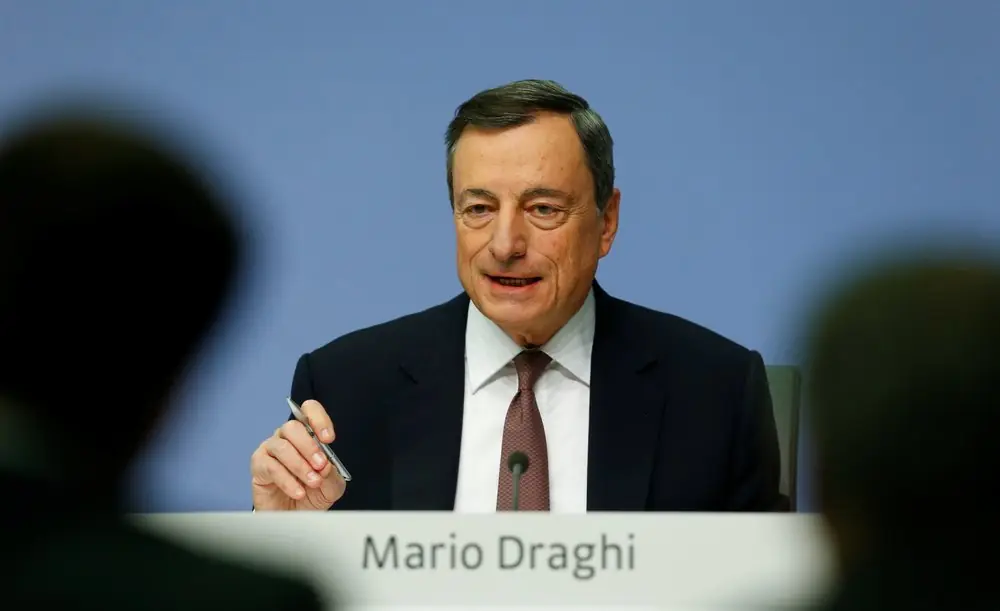
Speaking at a press conference, president of European Central Bank, Mario Draghi stated that different risks to the growth of the eurozone economies were still in existence. According to the ECB President, the dangers that surrounded the eurozone growth outlook maintained a full balance. However, he added that uncertainties surrounding specific global issues, such as increased protectionism, had gained more prominence and importance.
Opinions On Ending QE Programme
While reacting to the ECB announcement, Jennifer McKeown who works at Capital Economics stated that the statement by ECB that it would bring an end to asset purchases by the end of the year was bolder than the market expectations. She further stated that the plan to leave the interest rates at their current position for more than one year made the news more bearable.
Patrick O’Donnell who works at Aberdeen Standard Investments also stated that the announcement was a cautious message from the Central bank. He further said that by announcing that the Quantitative Easing programme would come to an end by December, but the interest rates would remain unchanged, the ECB president was giving out a thing with one hand and collecting it back with the other.