

Financial mistakes lead to substantial financial regrets. These mistakes can come in the form of the actions one takes or the ones a person refuses to take, i.e., one’s inactions.
These mistakes can have far-reaching effects on every aspect of a person’s life, and it is, therefore, advisable to avoid making these mistakes as much as possible.
Below is a list of some of these financial mistakes and how to remedy the situation
1. Not having an emergency fund
Several people in the spirit of optimism do not bother considering the possibility of any disaster happening to them. However, disaster is no respecter of person and can happen to anyone at any time. When it happens, being an optimist would not be enough to salvage the situation. Having an emergency fund is your best bet for handling the situation when such unexpected circumstances come up. It is the first place you turn to in days of financial trouble.
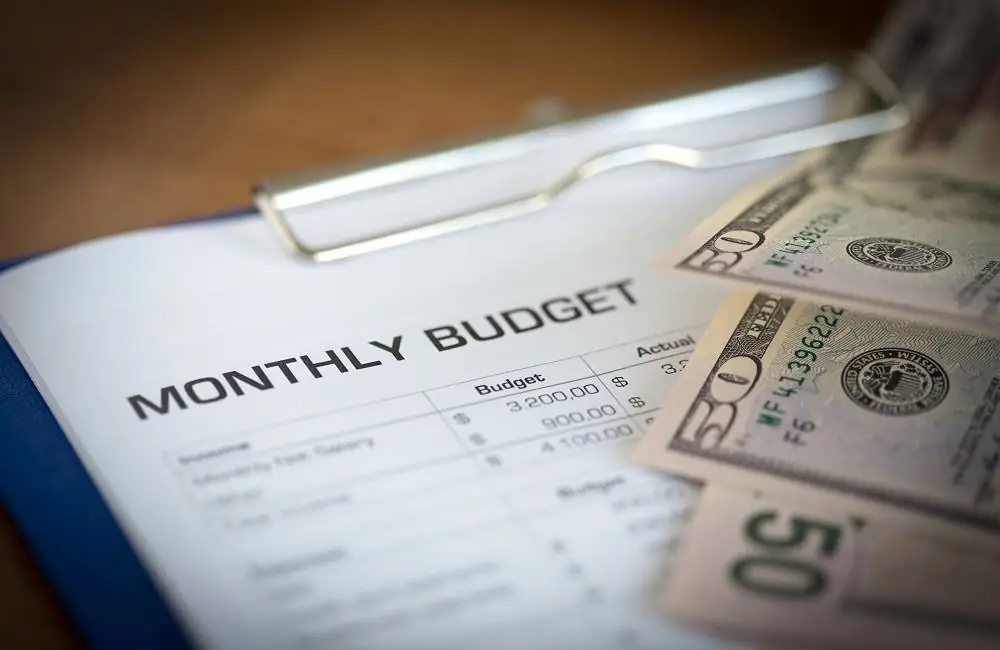
Instead of out rightly refusing to have an emergency fund, you should plan to save up cash that can conveniently cover your expenses for at least 6-9 months or even longer should you lose your job, become sick or have any other unforeseen expense to settle.
2. Taking on a bigger mortgage than you can afford.
Having your own home is a good move. It has positive effects on you as well as your family. Buying your one house makes it easier to lay a strong foundation and ultimately provides you with some form of stability in your life.
However, in looking for a house, one might easily go for a home that costs more than one needs or can reasonably afford. This wrong decision can even increase when one borrows a mortgage. How your home looks and how much the home costs are different concepts. Thus, you need to draw a dividing line between the two so you don’t end up suffering the brunt of mortgage payments.
Thus, rather than just picking a house ad hoc, calculate the actual cost of your mortgage using a mortgage calculator so you can have a better understanding and make informed decisions.
3. Borrowing against your Individual Retirement Account
You will be doing yourself a great disservice if you borrow against your IRA. The retirement account is so called for a purpose, and it is mainly this purpose the funds in the account ought to be used for. There are also chances that one may be unable to pay back and that could spell even increased trouble with your finances. Making an early withdrawal” from your IRA opens you up to penalties and also income taxes. Thus, if you are in dire need of money, take out a personal loan instead of dipping into your IRA.
4. Failing to consolidate your credit card debt with a personal loan
Studies show that in the US at the moment, credit card debt is more than $1 trillion. This shows that several people currently have credit card debt to pay off. Thus, even though these credit cards serve as excellent financial tools, they are expensive if you do not repay the balance of the end of the month. It is advisable that you consolidate your credit card debt and your personal loan. This consolidation is referred to as a credit card consolidation loan.
Personal loan refers to an unsecured loan that is customarily repaid within three to seven years. Also note that if you can get a lower interest rate with your personal loan as compared to the interest rate on your credit card, that could also help you save interest costs.

5. Failing to Refinance your student loans
The idea behind refinancing students loan is to give room for the combination of existing federal students loans, private students loans or even both into one new student loan that has a lesser interest rate. Depending on the due date of the loan or the loan servicer the result you get may be a reduced monthly payment with just one payment.
To secure your chances of getting approved, you first need to get a very good credit, specifically 650 or higher. You also need to have reliable income, and your savings have to be a substantial amount. Also, you can apply jointly with an eligible co-signer who has strong income and credit. This co-signer will help you secure approval and a lesser interest rate.
A lender may also examine other factors such as the ratio of your debt to income and your monthly cash flow. Note that you can send an application to more than one lender at one and the same time.
Thus, rather than failing to refinance, you are advised to make use of a refinance calculator to determine the exact amount you can save if you refinance your student loan.